
The Mecca of Chinese Digital Nomad Communities: Dali
Come here if you want to feel alive again

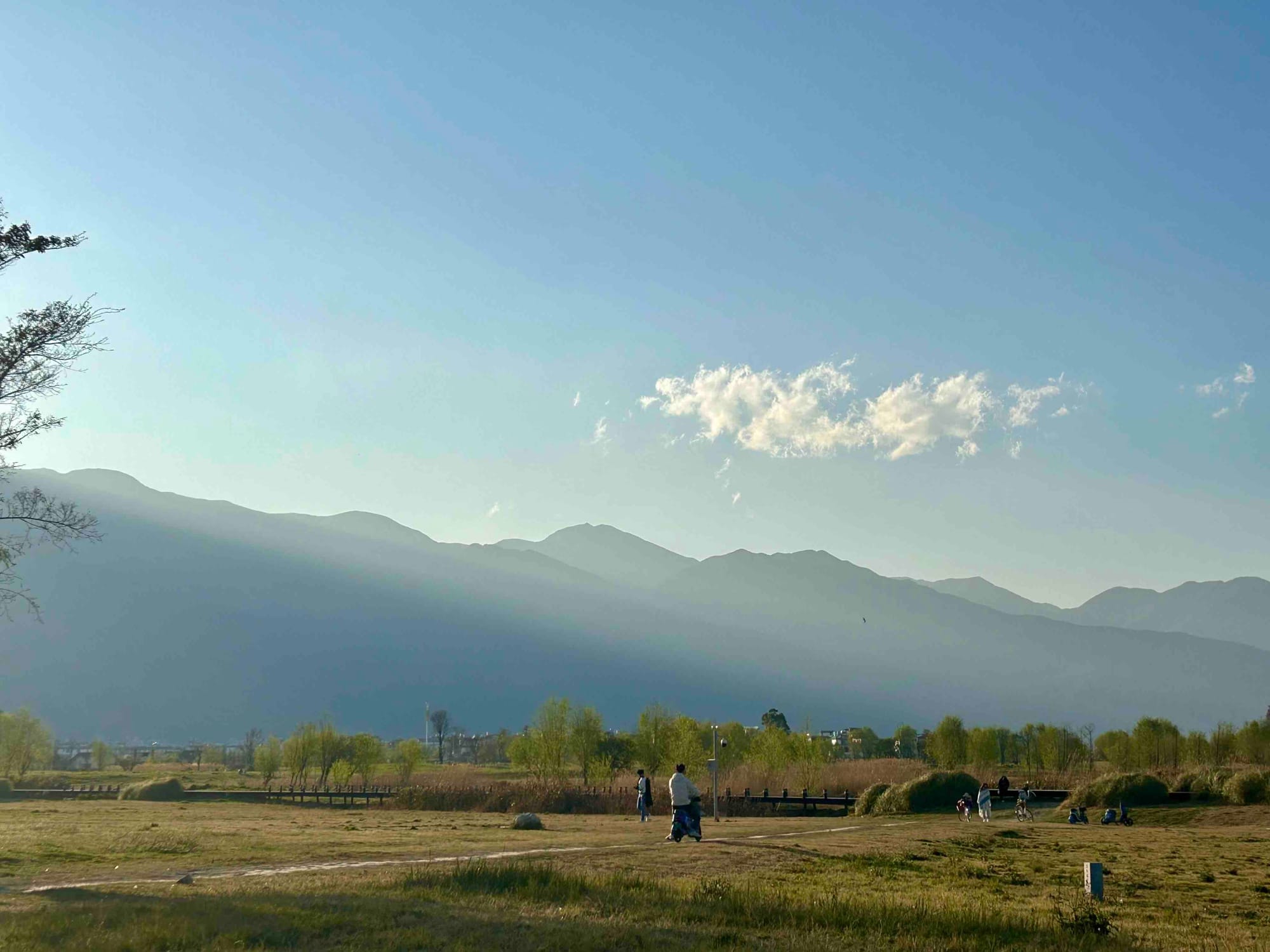
I lived in Dali for two weeks in early March. Coincidentally, the street next to where I lived was called March Street. I don't know if March is the best month in Dali, but I did have a wonderful time there.
Commercialization
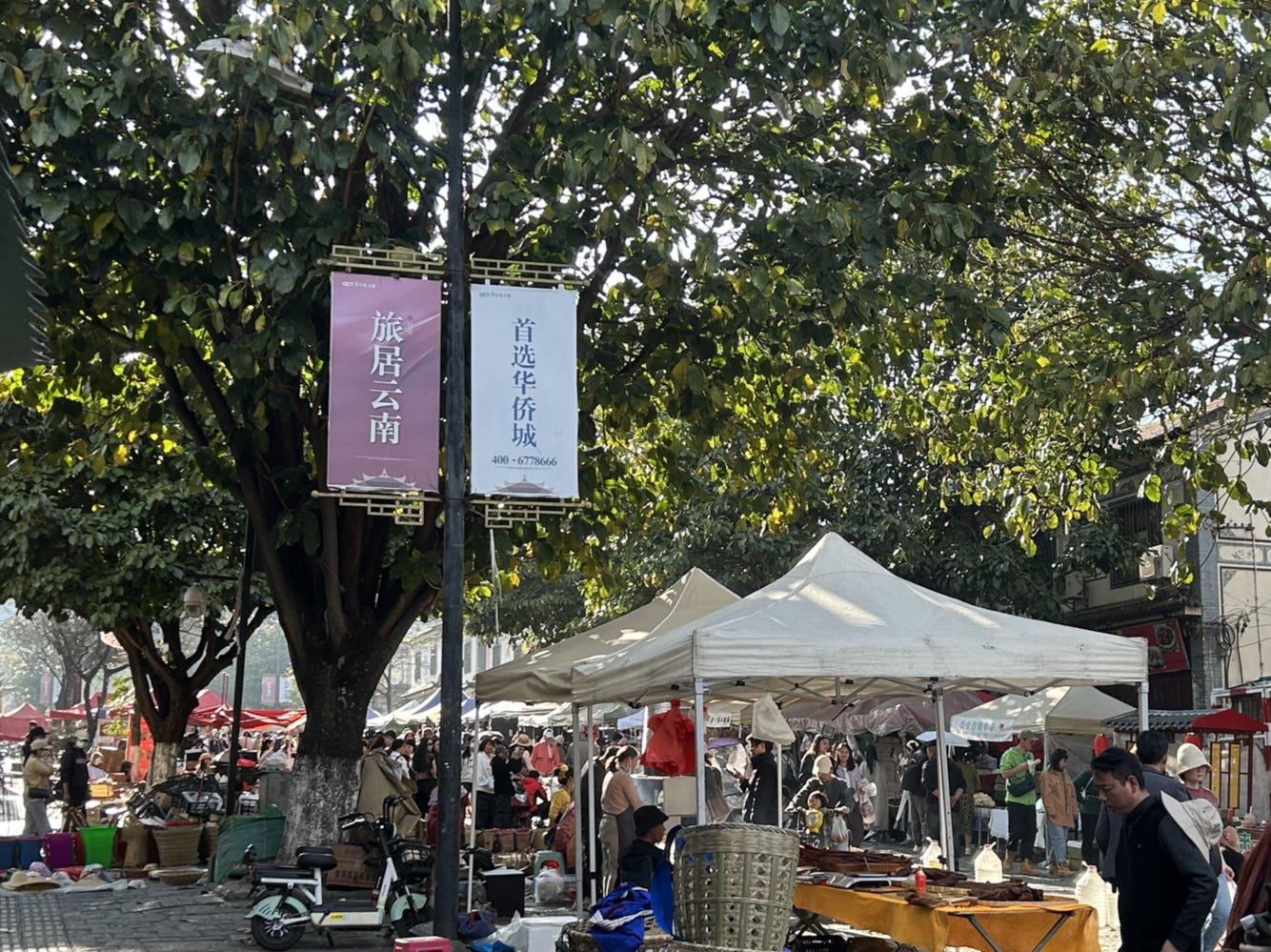
March Street is a long street that stretches up along Cangshan Mountain. There are dense trees on both sides of the street, and there are many small vendors under the trees. The goods here include saplings, camellias, roses, citrons, reed chickens, backpacks, bamboo baskets, etc., which are not common in the Central Plains. I came here with my family once. There were smoking barbecues and bustling voices around. The sun shone through the gaps between the leaves and shone on the bluestone slabs on the ground. Although a commercial snack street usually makes people feel noisy and irritable, it seemed like fireworks on the earth at this moment.
religion
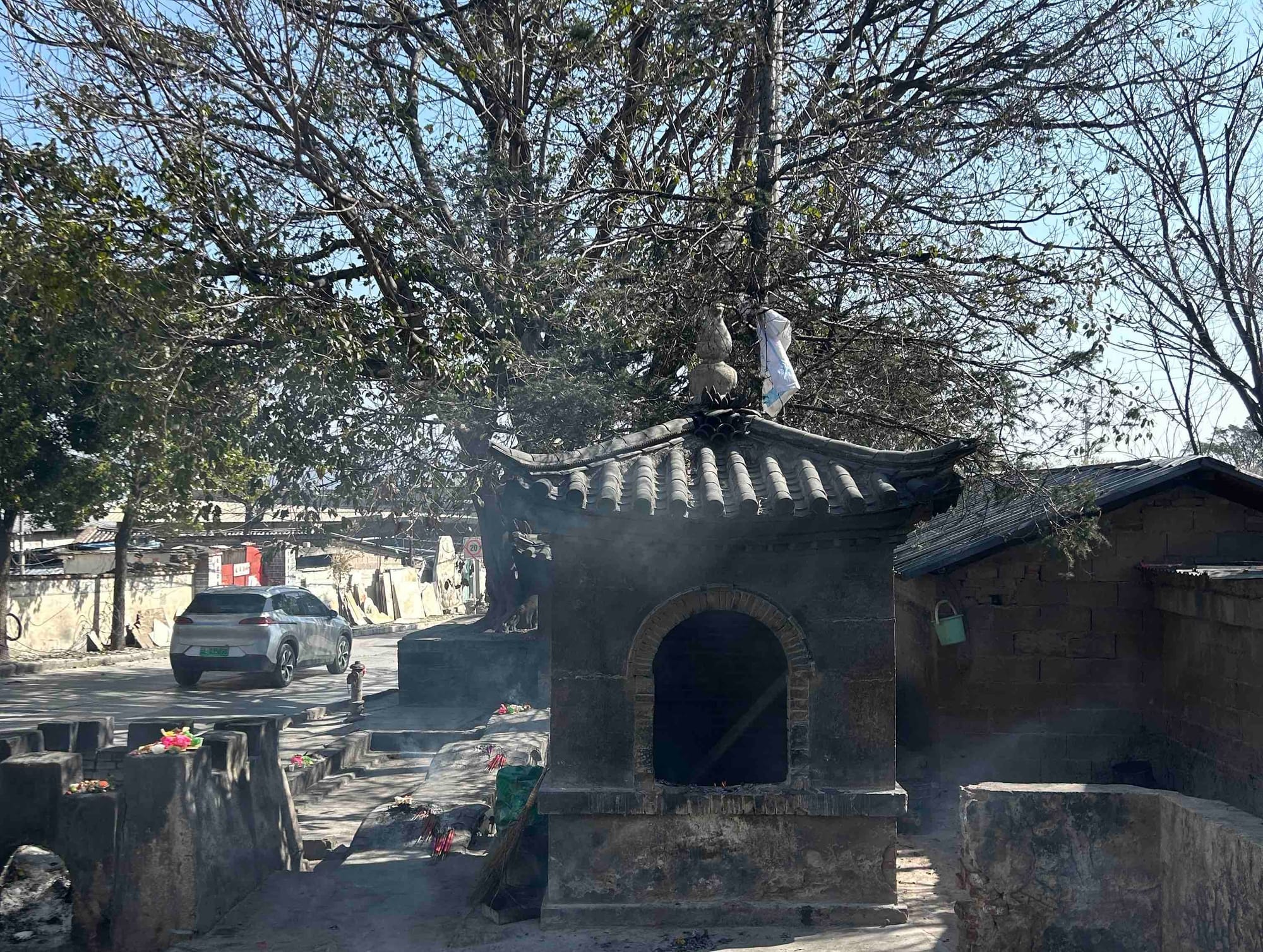
Another memory of fireworks is the incense in the nameless Buddhist temple. Yunnan is a gathering place for Hinayana Buddhism, Han Buddhism, and Tibetan Buddhism. In addition to the famous Jizu Mountain, Chongsheng Temple, and Wuwei Temple, there are also nameless small temples everywhere. The small temples enshrine less refined statues of gods, and the Bai people in ethnic costumes gather in the hall to burn incense and pray.
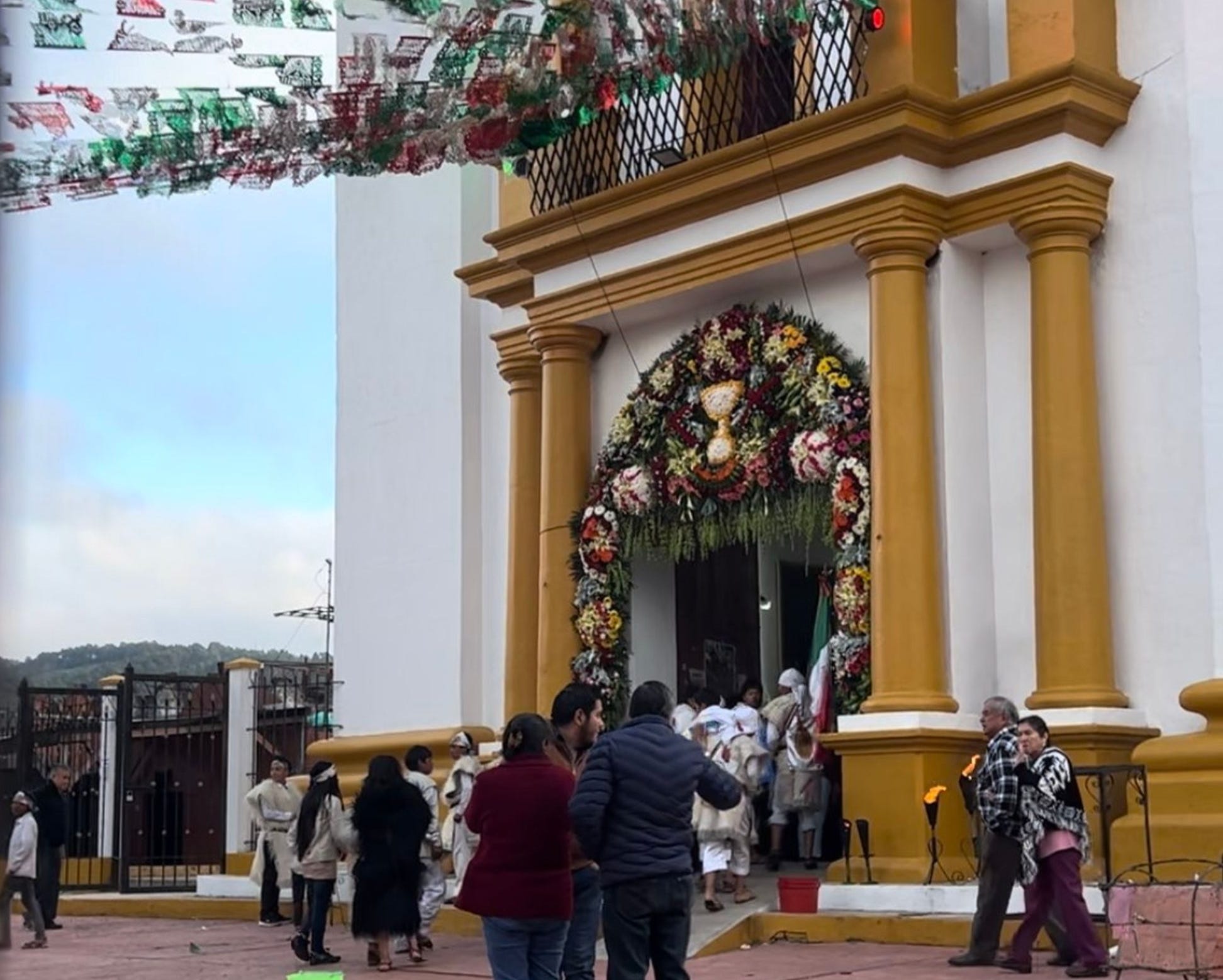
San Cristobal in Mexico is also in the mountains, like Yunnan there. On the top of the mountain in the early morning of the Virgin Mary's Day, the indigenous people knelt in black wool blankets and entered the church filled with flowers to pray. The piety of ethnic minorities in remote areas to religion is a new thing for me. It makes me step back from the belief in science, rationality, and money, and recall the connection between the heart and God.
Transportation
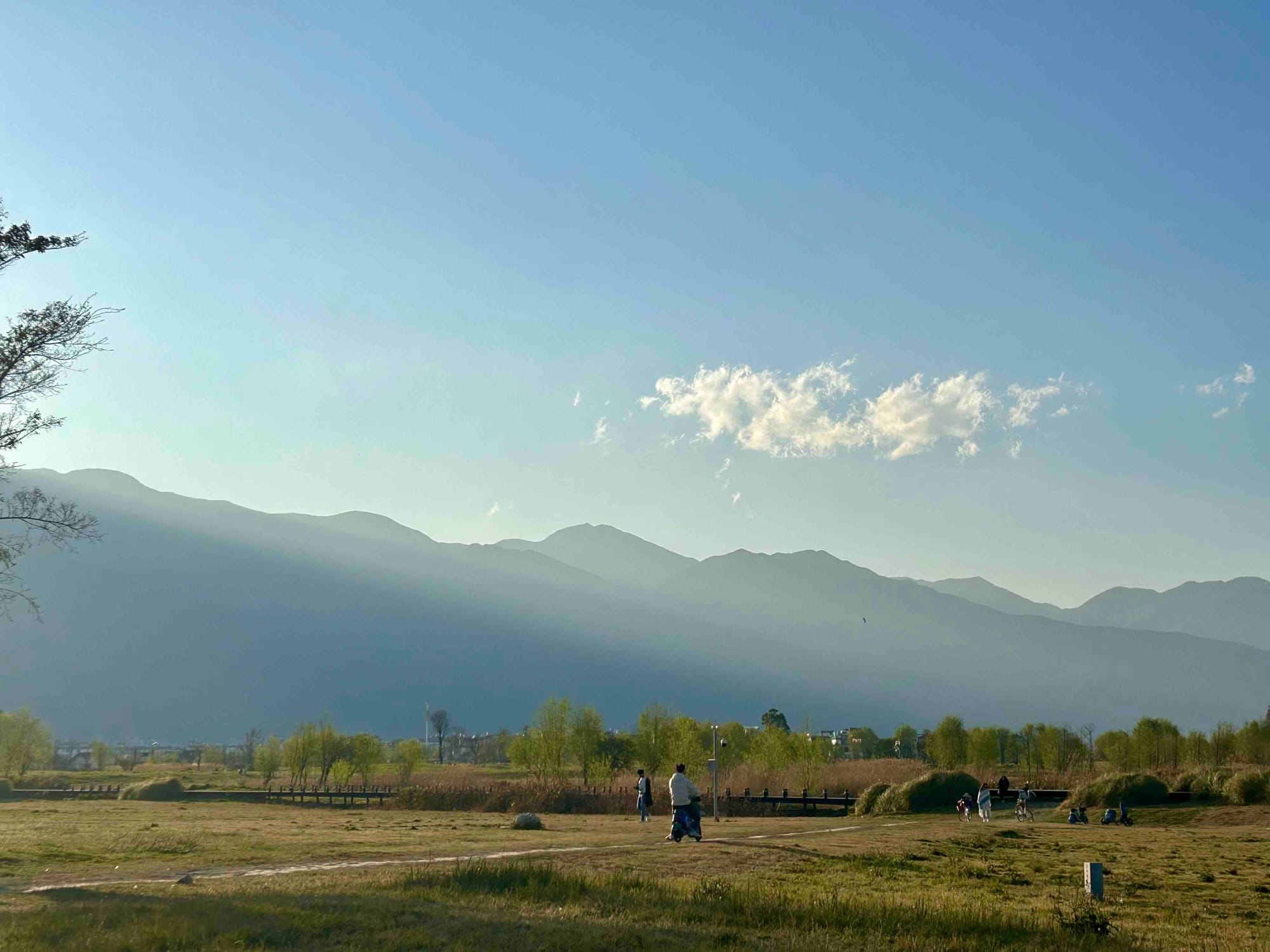
Dali is a place with many slopes and narrow roads. Electric bikes are a more suitable means of transportation than cars. When riding a bike, you will pass by large fields of broad beans and rapeseed flowers. There are water diversion channels on the fields, and people are working in the fields. The wind from the Three Pagodas of Chongsheng Temple in the distance blows across your face and hair. The pastoral aesthetics of Chinese life is reflected in such moments: looking forward to the sunrise with animals, working, walking and chatting with friends on the beach, watching the sunset with your lover, and another day in the morning bells and evening drums, and the fireworks on March Street.
diet
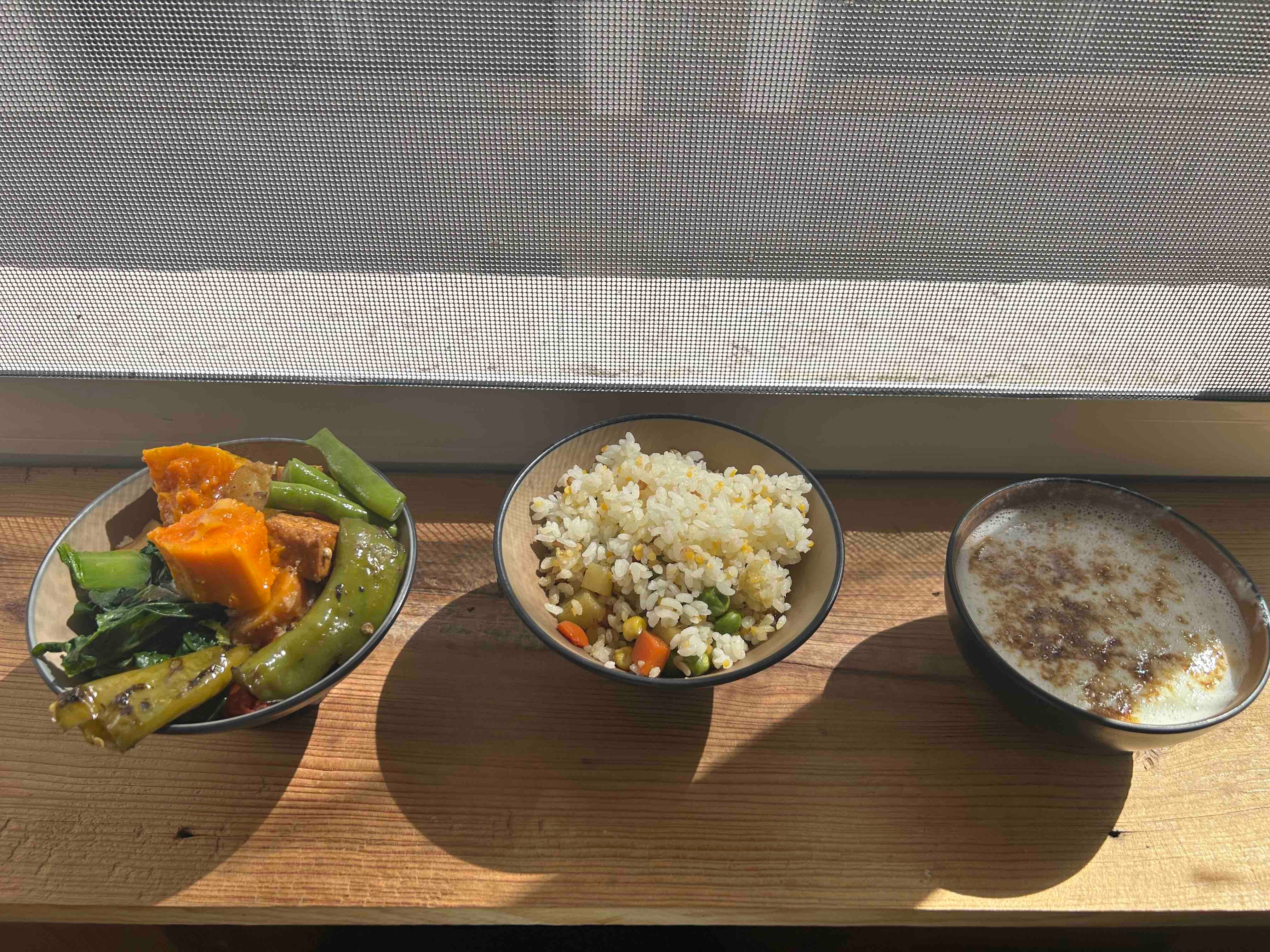
There are many vegetarian restaurants in Dali, such as the free vegetarian food at the Good Will Restaurant, and the more high-end AYCE at Wuxiangsong. The self-service cafeteria in the vegetarian community is also very famous locally. The bakery next to the cafeteria has the best bread in Dali. The bakery bakes bread every day according to the schedule on the blackboard. Because I always go to eat at noon, I can only buy the same kind of bread. One day, I had a sudden idea and asked the sister at the bakery to save a bread baked in the afternoon for me. I came to pick it up at noon the next day, and finally bought different kinds of bread!
Species diversity
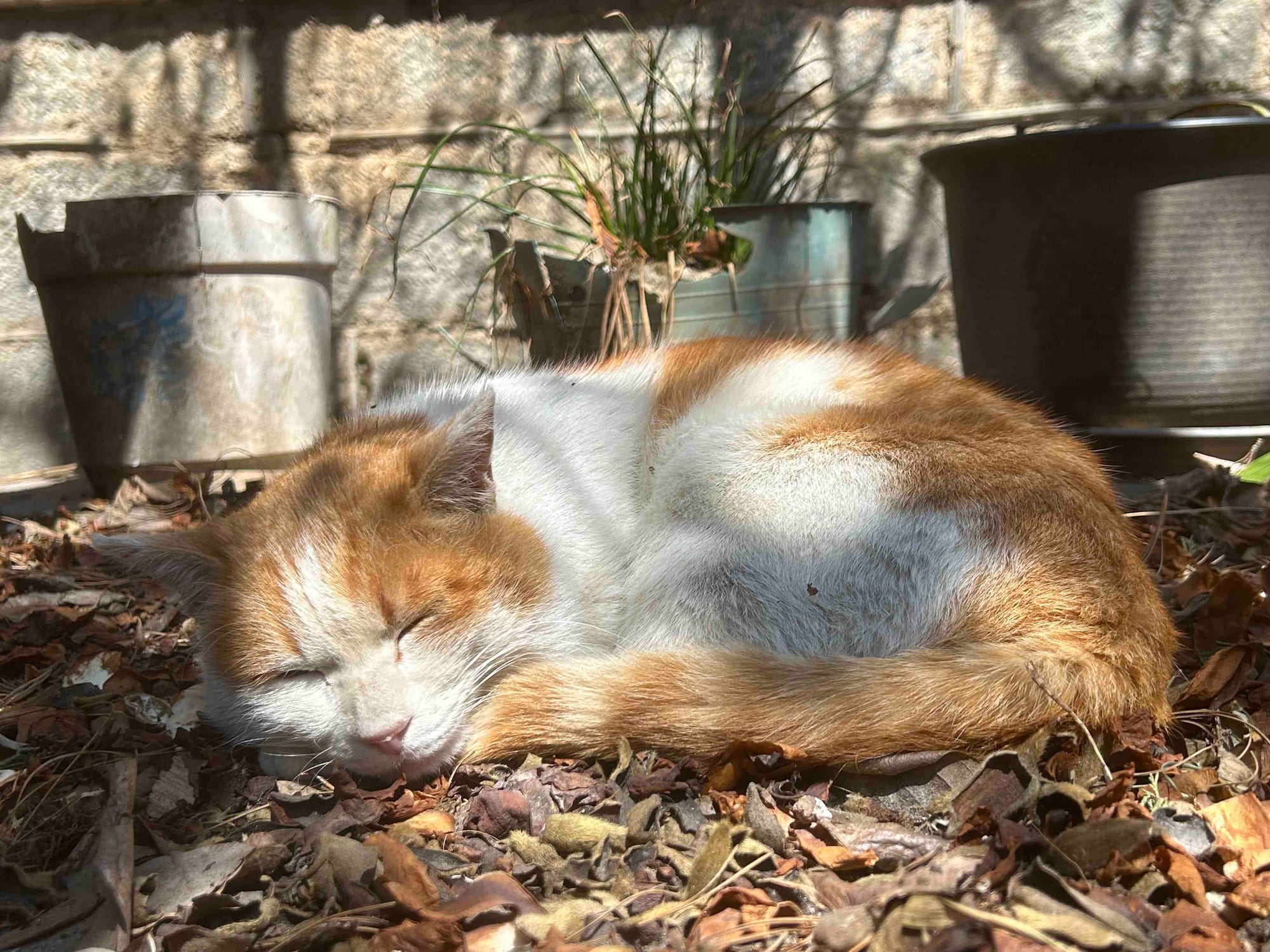
The cafeteria is like a gym. If you come here often, you will find familiar faces. For example, I often see a foreigner. I wanted to talk to him several times but never took the initiative. Once I took the initiative, but the person I talked to was another girl because there was a cat resting on her legs.
(This cat is quite intelligent. Once it ambushed a dog in the bushes. It had to wait until someone passed by and the dog's attention was diverted to trying to please humans before it jumped out to scare the dog.)
This girl in Dali does nothing except the activities necessary to maintain life, such as eating and walking. She can't read, write, listen to music, or socialize. This is a species I have never seen before, without the anxiety of "having to do something to prove my self-worth" of ordinary people.
There are all kinds of new species like this that I haven’t seen at work in Dali. For example, in the digital nomad community where I live, there are: Amazon business owners, gap year students, independent photographers, entrepreneurs, etc. What is more interesting than the labels on them is to listen to them talk about how they drifted from the path that conforms to social expectations to their current position.
One of the young men left a deep impression on me. After graduating from university, he chose not to work or take the postgraduate entrance examination. He spent three years in his house in the county thinking about the question of "how to spend my life". This Wang Yangming of the county town, who studied things to gain knowledge, examined the source and destination of his thoughts and emotions. He did not read many books, did not ask for authority, and did not listen to public opinion. He thought and acted based on himself, and produced many original ideas. He practiced meditation and critical thinking without a teacher. This courage to believe in oneself is what I lack.

bookstore
There are many bookstores in Dali. I happened to visit one and there was not a single bestseller, but there were some books that made me exclaim, "Wow, there is such a thing! The owner is actually a real human being!"
Spontaneity
"Living feeling" is my impression of Dali, or in other words, most people here show spontaneity. City people usually pursue similar goals and consume similar goods. People here have all kinds of strange, heartfelt pursuits. Whether it is a bakery, a bookstore, or a homeless person in the community, they all follow their inner subjectivity and act.
Some observers worry whether homeless life is sustainable and whether it will ever return to normal.
The essence of this concern is whether pursuits that are different from the mainstream of society are healthy and normal in the long run?
In my opinion, whether or not one is the same as the mainstream is not a criterion for judging a person's health. A healthy person is one who has developed his or her own unique personality and potential. If a person is guided by independent thinking and true feelings, and pursues positive freedom through spontaneous love and creative labor, then whether his or her behavior is the same as or different from the mainstream of society, he or she is a healthy and happy person. On the contrary, if one internalizes public opinion and is forced to conform in order to eliminate inner loneliness, isolation, and powerlessness, then he or she is also an unfree person.
If you also want to rejuvenate your life and achieve spontaneity, welcome to Dali.
Questions and Answers
Is Dali too commercialized as a place to live?
Yes, but it's bearable.
Is it easy to make friends in Dali?
According to my limited observation, there are several types of people in Dali.
Expats: As a famous tourist destination in China, Dali attracts people from all provinces to settle here. So you can see people from different backgrounds (domestic, foreign) and different age groups living here. Generally, people here are more open and tolerant, and it is easy to have conversations and make friends.
Digital nomads (short-term stayers): The digital nomad community seems to be a group that has started to emerge in Dali in the past two years. They are between 20 and 50 years old (not just young people). They usually move around in several well-known digital nomad communities in China, such as Anji, Dali, Hainan, etc., and also go to Southeast Asian countries, Thailand, Indonesia, and Vietnam. Some people will regard Dali as a base and come back to live there every once in a while. Some people have turned from nomads to permanent residents.
Locals: The above two groups live together with locals in the village. Because there are many ethnic minorities in Dali, you can often see their special traditions, such as the etiquette of weddings and funerals, and eating pig-killing dinner during the Chinese New Year. The locals are very friendly. I heard that friends in the community even went to other people's houses for Chinese New Year banquets:D
What is the monthly living cost?
Rent: From a few hundred to a few thousand yuan. There are many B&Bs here so there is a wide range of choices. My rent is about 3,000 yuan, and I can live comfortably.
Meals: If you eat out three times a day, $100 a day is enough, or $3,000 a month.
Transportation: Rent an electric car for 200-300 per month
Overall: The minimum is 2,000, and 6,000 is about the same if you have high standards for quality of life.
How to choose a digital nomad community that suits you?
You can find out on the Internet that there are many digital nomad communities in Dali, such as ncc, 706, dali hub, etc. These communities are actually quite close to each other, so you can live in one place and then go to other communities to participate in activities.
I chose ncc because this community has the most information on social media and feels very active. After experiencing it in real life, it is indeed a very tolerant, loving and sharing group. I recommend it.
I am not a digital nomad, I just want to retire early. Are there any job opportunities locally?
According to my limited observation, the local tourism service industry is still the main industry. You can consider opening a homestay or helping to manage a homestay. There are many foreign settlers here, and everyone does their best to provide services to the community. There are many small businesses, and it seems that there are still many flexible job opportunities.